


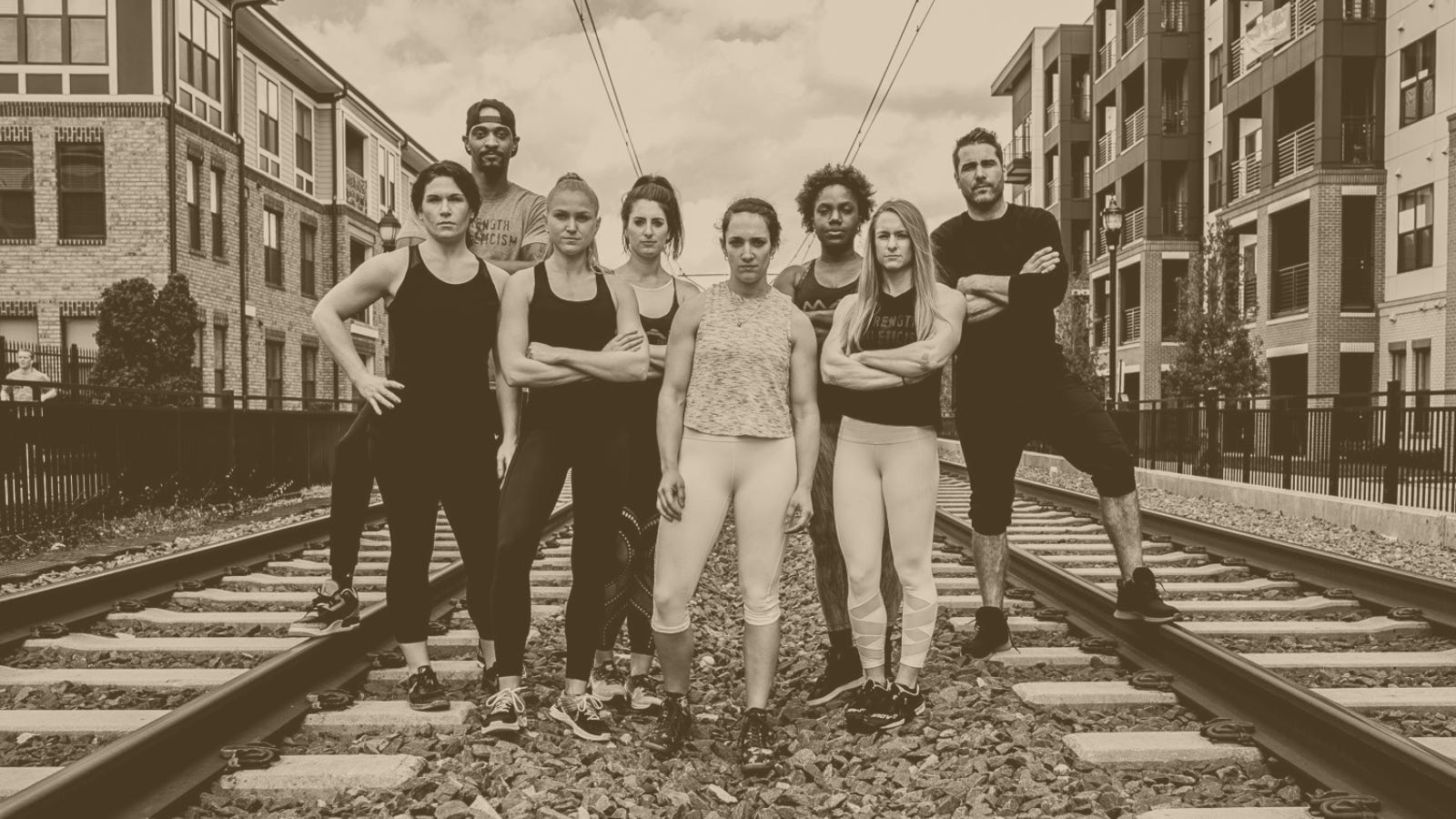
Cult came first. We need to start there.
Most people don’t realize this, but culture didn’t give us cult. It happened the other way around.
The Latin word cultus meant care, devotion, or worship. Over time, it evolved into cultura, the act of cultivating. Eventually, we arrived at what we now call culture.
In other words, before you can build a community, you first need to build a cult following. A small group of people united by a shared belief system.
Community can be manufactured. Culture cannot.
When you’re building an audience, especially a niche audience, culture is everything. You’re not creating something for everyone. You’re creating something for a specific someone.
That’s what turns customers into followers, followers into advocates, and advocates into evangelists.
Community makes people feel included.
Culture makes people feel they belong.
The analogy is perhaps best illustrated inside a franchise system, something I’ve spent much of my career studying. The balance between culture and community within a franchise system is a delicate one.
I introduced this framework in Las Vegas while presenting at the 2025 HFA (Health & Fitness Association) Conference. Later that year, I adapted it for the 2025 MADabolic Conference.
In both settings, the goal was the same: to illustrate what I believe is one of the most misunderstood dynamics in franchising, the relationship between Culture (Franchisor) and Community (Franchisee).
One of the biggest misconceptions in franchising is that community comes first.
It doesn’t.
Every time I revisit this framework, I’m reminded that scale without alignment is just noise. True growth happens when culture and community move in sync.
Culture creates loyalty. Community creates reach.
Let me explain.
CULTURE (Franchisor)
Culture is the DNA of the brand. It represents the values, standards, and non-negotiables that define the system. It is established by the franchisor, remains consistent across every location, and is never left up to interpretation.
It defines the tone, behaviors, and expectations that surround the concept.
It answers three simple questions:
Why do we exist?
What do we stand for?
Who are we inviting in?
COMMUNITY (Franchisee)
Community is the local expression of that culture. It is built by the franchisee through relationships with members, neighbors, local events, and surrounding businesses. While community is more flexible, it should always reflect the same standards, tone, and identity established by the brand.
It answers the very same three questions:
Why do we exist?
What do we stand for?
Who are we inviting in?
That delicate balance only works when those answers remain rooted in the DNA established by the culture.
In short, the franchisor creates the culture so every community experiences the same identity. The franchisee builds the community that reinforces and amplifies that culture.
To summarize:
Culture (Franchisor)
Provides structure, standards, and brand identity.
Community (Franchisee)
Builds local trust, relationships, and engagement.
Together
Culture gives community meaning. Community amplifies culture.
In my opinion, every great brand starts as a cult. Then it grows into a culture. And if you’re lucky, that CULTure becomes a movement. Eventually, it becomes a community.
Community without culture isn’t a franchise. It isn’t even a system.
It’s just a vague association.
Brandon Cullen
In search of life’s [im]perfect soundtrack ...